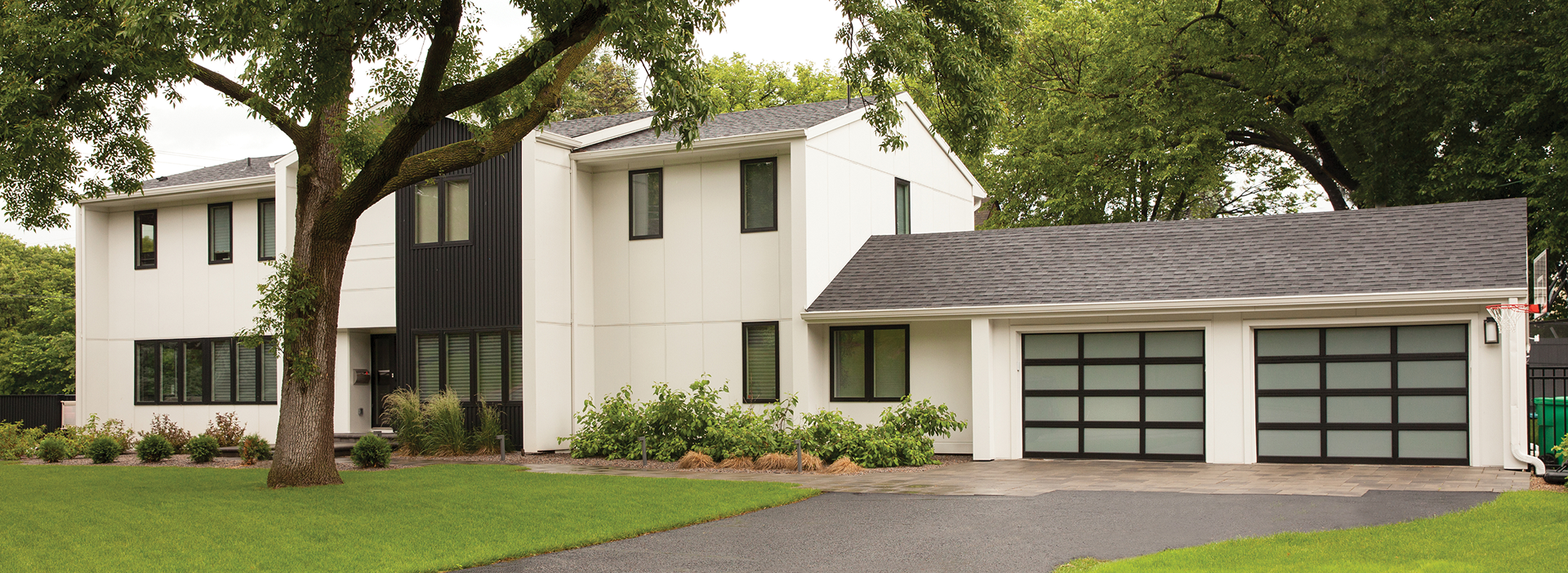

Residential garage doors in Albany and the Capital Region
Overhead Door Company of Albany has been helping Capital Region homeowners choose and install new residential garage doors for more than 20 years. We are locally owned and based in Clifton Park. As the Overhead Door™ Ribbon Distributor for the region, we carry garage doors from the company that invented the upward-lifting garage door.
Our showroom has samples and literature for your review, and our professional sales staff can talk you through the options for your house and your budget. When you have decided, our technicians, who are factory certified on Overhead Door™ products, handle the rest.
We had an excellent experience with Overhead Door Company of Albany! We were able to quickly schedule a consultation, and after we accepted the quote, our new garage doors arrived in less time than expected. The installation went very smoothly, and the garage doors look and sound great. Thank you!
Residential garage door collections
-
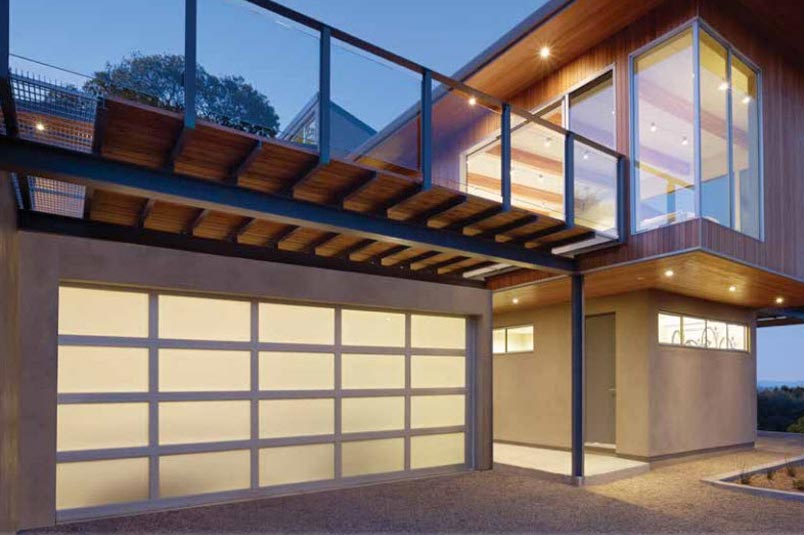 Modern Aluminum Garage Doors
Sleek aluminum and glass for contemporary homes.
-
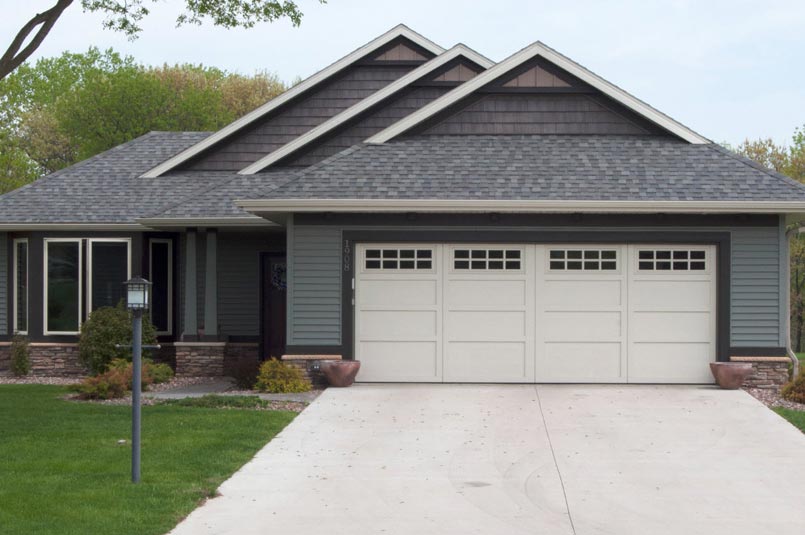 Courtyard Collection® Garage Doors
Classic carriage house character with modern convenience.
-
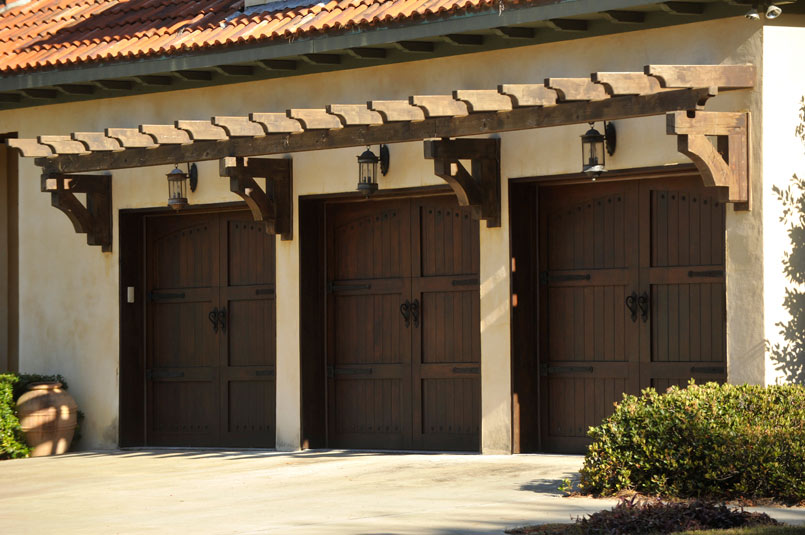 Signature® Carriage Collection
The authentic carriage house look without the outswing.
-
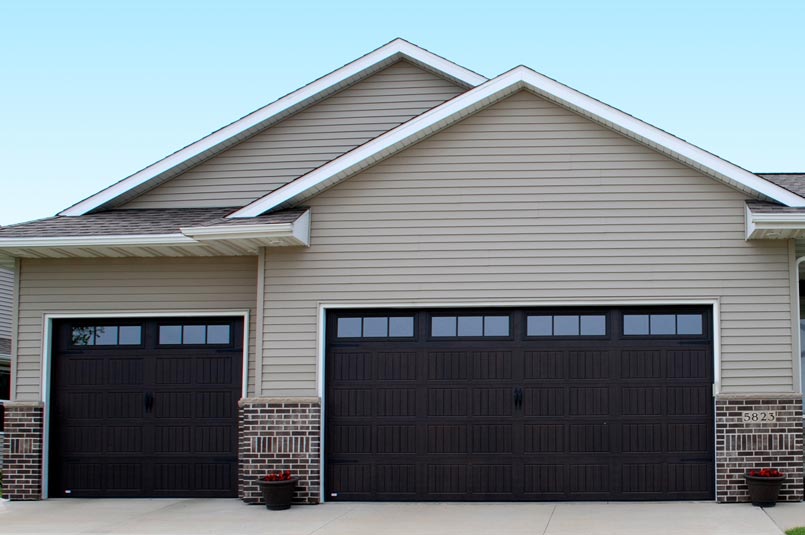 Thermacore® Garage Doors
Insulated steel doors built for energy efficiency and quiet operation.
-
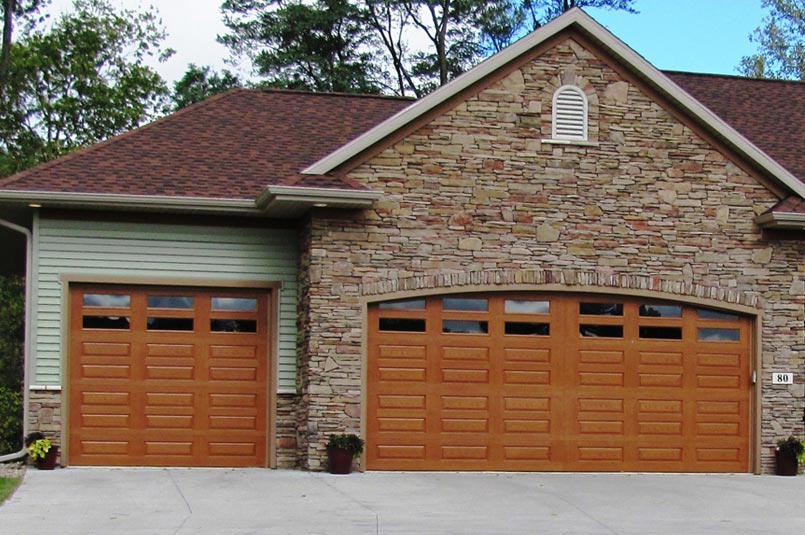 Impression Collection™ Garage Doors
A refined, richly detailed door with lasting curb appeal.
-
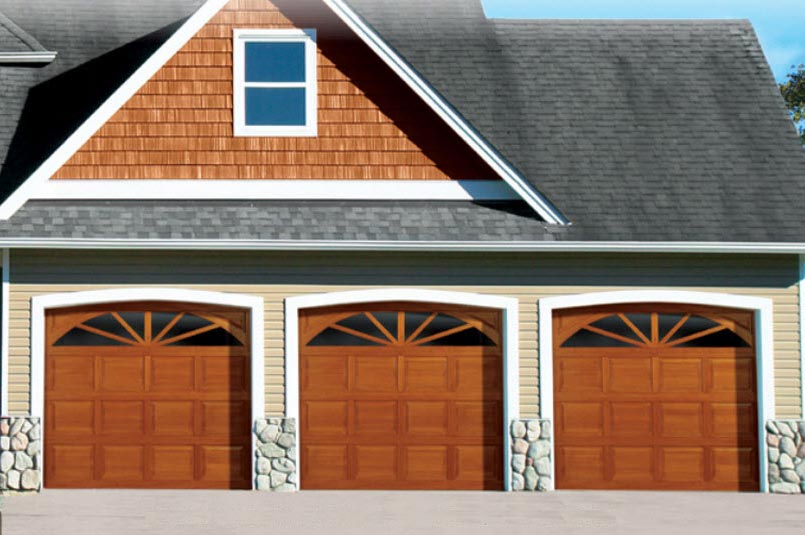 Traditional Wood
Natural wood beauty for classic and custom homes.
-
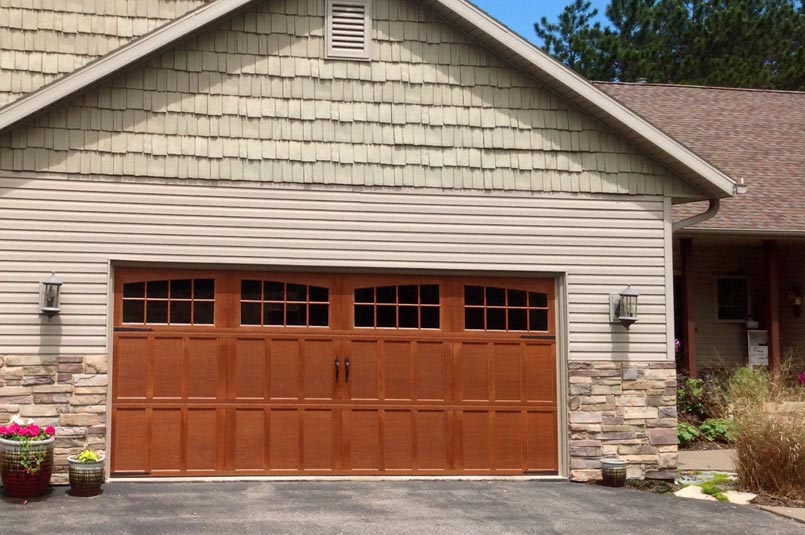 Carriage House Collection
Timeless barn-style design that operates overhead.
-
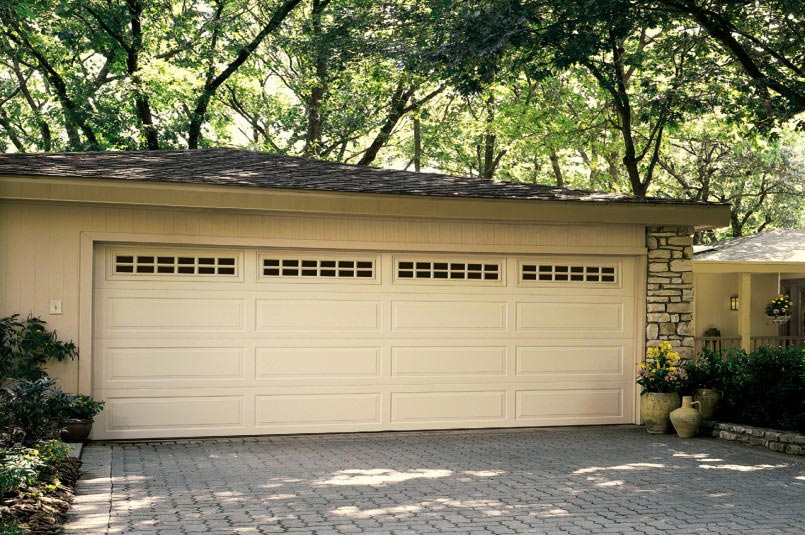 Traditional Steel Garage Doors
Dependable raised-panel steel in many colors and price points.
-
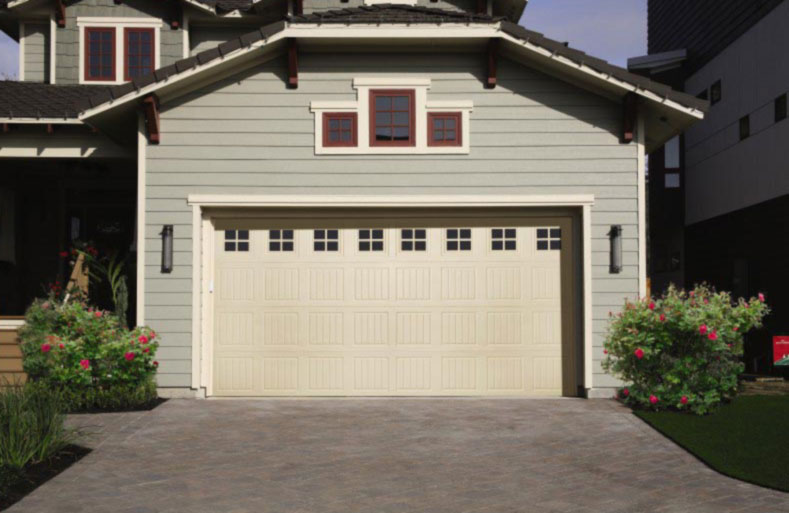 Durafirm Collection™ Garage Doors
Durable vinyl doors that resist dents and scratches.
Choosing a garage door for your home
A garage door can take up as much as a third of the front of a house. You will see it every time you pull into the driveway, so it is worth choosing one you like. The two biggest decisions are the material and whether to insulate, and both depend on your house and how you use the garage.
Material
Steel is the most common choice for a residential garage door. It needs little upkeep and comes in a wide range of colors and price points. Steel is measured by gauge, and a lower number means thicker steel, so 24-gauge steel is thicker than 25-gauge. Gauge is only part of what makes a garage door sturdy, though, because how the panels are built matters too. In the Capital Region, the factory finish counts as well, because road salt splashed up from the driveway is hard on steel.
Real wood brings warmth to older and custom homes. It needs refinishing every year or two to stand up to the weather, so it suits homeowners who don’t mind the upkeep.
Aluminum and glass garage doors suit contemporary houses and let daylight into the garage. Frosted or obscured glass keeps the inside private. Vinyl garage doors resist dents and rust, which makes them a practical choice for busy driveways.
Insulation
In the Capital Region, insulation is often the biggest decision. An insulated garage door helps keep an attached garage warmer through the winter, which helps the rooms that share a wall with it. Insulated garage doors also tend to run more quietly and resist dents better, because the panel is built in layers.
Garage doors are rated by R-value, and a higher number means more resistance to heat loss. The type of insulation makes a difference. Polyurethane foam is injected between the steel layers and bonds to them, so it insulates better for its thickness and makes the panel sturdier. Polystyrene comes in rigid boards fitted into the panel.
Overhead Door™ Thermacore® garage doors are insulated steel garage doors built for this climate. If your garage is detached and unheated, a non-insulated garage door may be all you need. The showroom has samples of insulated and non-insulated garage doors.
The seals around a garage door matter as much as the panel. A well-fitted bottom seal and weatherstripping along the sides keep drafts and snowmelt out of the garage.
Windows
Windows let daylight into the garage and add character from the street. Glass doesn’t insulate as well as an insulated panel. Many homeowners put windows only in the top section, which also keeps the inside of the garage private.
Style and color
A carriage house garage door can suit a farmhouse or colonial, while a flush or modern aluminum garage door may fit a newer house better. Most collections offer window sections and decorative hardware in many colors.
Some homeowners match the garage door to the house trim so it blends in. Others pick a contrasting color so it stands out. Bring a photo of your home to the showroom, or use the Door View Design Center to see different garage doors on your own house before you decide.
Sizing a residential garage door
Common residential garage door sizes are 8 or 9 feet wide for a single car and 16 feet wide for two cars, usually 7 feet tall. Many homeowners with a larger SUV or pickup choose an 8-foot-tall garage door.
A standard garage door also needs some clear space above the opening for the track and springs, usually about a foot. Low-headroom track systems are made for garages with less room. If you would like to bring rough dimensions to the showroom, the door measurement tool shows what to measure.
How buying a new residential garage door works with us
Start in our showroom at 15 Corporate Drive in Clifton Park. If you would rather start at home, request a free design consultation or try the Door View Design Center.
When you are ready, request a free estimate. Once your garage door arrives, our scheduling team will set an installation date that fits your schedule.
Chris and his team were excellent! I would recommend them to everyone looking for a new garage door!
Repair or replace your garage door?
If your current garage door is only misbehaving, a repair may be all it needs. A broken spring or a worn roller does not usually call for a new garage door, and neither does a single damaged panel. Our technicians repair garage doors of any brand.
Replacement starts to make sense when several sections are damaged or panels for your model are no longer available. It is also worth considering when you want the comfort of an insulated garage door.
Honest and professional, didn’t try to upsell or add any nonsense charges to replace anything that didn’t need to be replaced.
Caring for a new garage door
A new garage door lasts longer with a little care. Wash it a couple of times a year with mild soap and water, especially after winter, to remove road salt. Test the garage door opener’s reversing feature once a month by laying a 2×4 flat in the garage door’s path and closing it. The garage door should reverse when it touches the board.
The garage door industry’s trade association recommends a yearly visit from a trained technician. Our preventive maintenance plans are designed to fit your garage door and your budget.